Customer Service Remote Jobs: Complete Guide
Find legitimate remote customer service jobs and learn what companies are hiring.
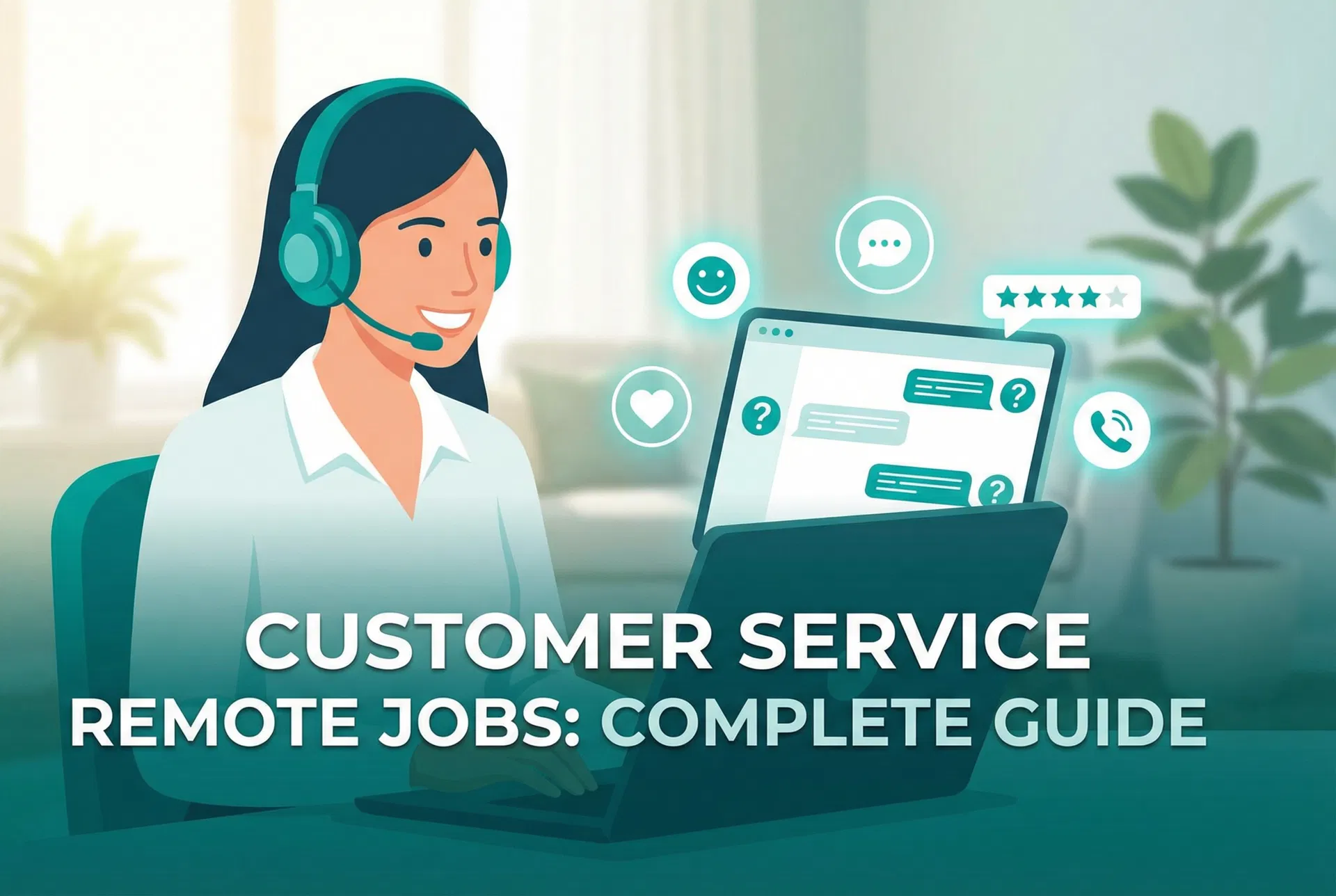
Customer Service Remote Jobs: The Complete Guide to Starting Your Career from Home
In an increasingly digital world, the traditional office setting is no longer the sole domain for professional growth. Remote work has reshaped industries, and customer service stands out as a sector where this transformation is particularly profound. Customer service remote jobs offer a flexible and accessible pathway for individuals seeking to build a fulfilling career from the comfort of their homes. This comprehensive guide will delve into everything you need to know about navigating this dynamic field, from understanding the roles and required skills to identifying opportunities and setting realistic expectations.
What Are Remote Customer Service Jobs?
Remote customer service jobs involve assisting and supporting customers with their inquiries, issues, and needs from a location outside of a traditional office environment. This can encompass a wide range of communication channels, including phone calls, emails, live chat, and social media interactions. Essentially, remote customer service professionals act as the frontline representatives of a company, ensuring customer satisfaction and fostering loyalty, all while working autonomously.
These roles are the backbone of modern e-commerce, retail, and service industries. As businesses increasingly operate globally and prioritize digital engagement, the demand for skilled remote customer service representatives continues to grow. Companies recognize the cost-effectiveness and expanded talent pool that remote work offers, allowing them to provide round-the-clock support to customers across different time zones [1].
Why is Now a Great Time to Consider a Remote Customer Service Career?
The landscape of work has irrevocably shifted, with remote opportunities becoming more prevalent and accepted. Several factors make now an opportune moment to explore a career in remote customer service:
- **Growing Demand**: The shift towards digital-first business models has fueled a significant increase in the need for customer support that can be delivered remotely. According to Robert Half, new fully in-office job postings declined from 83% to 66% during 2023, indicating a clear trend towards remote and hybrid models [3].
- **Flexibility and Work-Life Balance**: Remote customer service roles often provide greater flexibility in scheduling, allowing individuals to better manage personal commitments and achieve a healthier work-life balance. A study by Owl Labs revealed that 51% of remote workers experience improved work-life balance [1].
- **Elimination of Commute**: One of the most tangible benefits is the elimination of daily commutes, saving both time and money. Upwork reports that remote workers save an average of 51 minutes per day by avoiding commuting [1].
- **Expanded Job Market**: Remote work removes geographical barriers, opening up a global job market. This means you're no longer limited to opportunities within your immediate vicinity, significantly increasing your chances of finding a suitable role.
Essential Skills for Success in Remote Customer Service
Succeeding in a remote customer service role requires a blend of interpersonal and technical abilities. While many skills are transferable from traditional customer service, remote work introduces additional demands for self-management and digital proficiency.
Core Soft Skills
These are the foundational interpersonal skills that enable effective customer interaction:
- **Communication**: Clear, concise, and professional communication, both written and verbal, is paramount. This includes the ability to articulate solutions, explain complex information simply, and maintain a positive tone even in challenging situations.
- **Empathy and Patience**: Customers often reach out when they are frustrated or facing difficulties. The ability to empathize with their situation, listen patiently, and remain calm under pressure is crucial for de-escalating tension and building rapport.
- **Problem-Solving**: Remote customer service representatives must be adept at quickly understanding customer issues, analyzing information, and identifying effective solutions. This often requires critical thinking and resourcefulness.
- **Active Listening**: Beyond just hearing words, active listening involves fully concentrating on, understanding, responding to, and remembering what the customer is saying. This ensures that their concerns are fully addressed and they feel heard.
Key Hard/Technical Skills
In addition to soft skills, certain technical proficiencies are essential for navigating the digital tools and systems used in remote customer service:
- **Computer Literacy**: A strong understanding of basic computer operations, file management, and internet navigation is fundamental. This includes proficiency with common office software (e.g., Microsoft Office Suite, Google Workspace).
- **Product/Service Knowledge**: Becoming an expert on the company's offerings is vital. This allows you to answer questions accurately, troubleshoot issues effectively, and provide informed recommendations.
- **Fast and Accurate Typing**: Efficient typing skills are necessary for quick responses in chat and email support, as well as for accurate data entry.
- **Familiarity with Remote Work Tools**: Proficiency with communication and collaboration platforms such as Zoom, Slack, Microsoft Teams, and customer relationship management (CRM) software (e.g., Salesforce, Zendesk) is often required. Training on specific company platforms is usually provided, but a foundational understanding is beneficial.
Common Types of Remote Customer Service Jobs and Earning Potential
The remote customer service landscape offers a variety of roles, each with its unique focus and earning potential. While salaries can vary based on experience, company, and location, here's a general overview:
Customer Care Specialist
These roles focus on building positive customer relationships and ensuring overall satisfaction. They handle general inquiries, provide information, and resolve basic issues. The average salary for a remote customer care specialist in the US is approximately $42,217 per year [1].
Technical Support Specialist
Technical support specialists assist customers with software, hardware, or network-related problems. This role often requires a stronger technical aptitude and problem-solving skills. Salaries for technical support specialists can range from $45,000 to $60,000 per year, depending on the complexity of the products supported and the level of expertise required.
Client Service Associate
Often found in financial services or advisory firms, client service associates handle account-specific queries, provide stock quotes, retrieve account balances, and assist with paperwork. The average base salary for a client service associate can be around $50,000 per year.
Virtual Assistant
While broader in scope, many virtual assistant roles include significant customer interaction. They perform administrative tasks, schedule meetings, manage emails, and often serve as the first point of contact for clients. The average salary for a virtual assistant with customer service responsibilities is around $45,000 per year.
The Reality of Working Remotely: Challenges and How to Overcome Them
While remote customer service offers numerous advantages, it also comes with its own set of challenges. Understanding and preparing for these can significantly contribute to your success.
Challenge: Isolation and Lack of Team Connection
Working remotely can sometimes lead to feelings of isolation due to reduced in-person interaction with colleagues. This can impact team cohesion and morale.
- **Solution**: Actively engage in virtual team meetings, utilize company communication channels (e.g., Slack, Microsoft Teams) for non-work-related discussions, and participate in virtual team-building activities. Proactively reach out to colleagues for support and collaboration.
Challenge: Distractions and Time Management
The home environment can present numerous distractions, making it challenging to maintain focus and manage time effectively.
- **Solution**: Create a dedicated workspace that is free from distractions. Establish a firm daily schedule and stick to it, using time-blocking techniques to allocate specific periods for tasks. Communicate your work hours to family members or housemates to minimize interruptions.
Challenge: Overworking and Burnout
Without the clear boundaries of an office, it can be easy to blur the lines between work and personal life, leading to overworking and potential burnout.
- **Solution**: Set clear start and end times for your workday and adhere to them. Take regular breaks throughout the day to step away from your screen. Disconnect from work-related communications outside of your working hours to ensure adequate rest and recovery.
Challenge: Potential for Increased Workload and Stressed Customers
Customer service roles inherently involve dealing with customer issues, which can sometimes be stressful. In a remote setting, the volume of inquiries can fluctuate, potentially leading to increased workload.
- **Solution**: Leverage available training and resources to enhance your problem-solving and de-escalation skills. Practice mindfulness and stress-reduction techniques. Remember to take short breaks after challenging interactions to reset and maintain a positive attitude.
Your Actionable Roadmap: How to Land a Remote Customer Service Job
Ready to embark on your remote customer service career? Here's a step-by-step guide to help you secure your ideal role:
Step 1: Assess and Develop Your Skills
Review the essential soft and hard skills mentioned above. Identify any areas where you might need improvement. Consider enrolling in online courses or certifications to enhance your qualifications. Platforms like Coursera and Udemy offer specialized programs in customer service, communication, and digital engagement. For instance, Google's Digital Customer Engagement Specialization can help you develop skills in creating customer personas and optimizing e-commerce experiences [1].
Step 2: Prepare Your Job Search Materials
Your resume and LinkedIn profile are your primary marketing tools. Tailor them specifically for remote customer service roles:
- **Resume**: Highlight your communication, problem-solving, and time management skills. Emphasize any previous experience in customer-facing roles or remote work. Use keywords from job descriptions to optimize your resume for applicant tracking systems (ATS).
- **LinkedIn Profile**: Ensure your profile is up-to-date and showcases your relevant skills and experience. Connect with professionals in the customer service and remote work industries. Actively engage with content related to remote customer service to demonstrate your interest and knowledge.
Step 3: Where to Find the Best Remote Opportunities
Don't limit your search to traditional job boards. Explore a variety of platforms to maximize your chances:
- **Niche Remote Job Boards**: Websites like We Work Remotely, FlexJobs, Remote OK, and Virtual Vocations specialize in remote opportunities across various industries, including customer service [1].
- **General Job Boards**: Platforms such as Indeed and LinkedIn also list thousands of remote customer service roles. Utilize their advanced search filters to specify remote or work-from-home options [1].
- **Company Websites**: Many companies directly post remote customer service openings on their career pages. If you have a target company in mind, check their website regularly.
- **Networking**: Leverage your professional network on platforms like LinkedIn. Inform your connections about your job search, as referrals can often lead to hidden opportunities.
Step 4: Nail the Interview
Remote interviews often take place via video conferencing. Prepare thoroughly to make a strong impression:
- **Technical Check**: Ensure your internet connection is stable, your webcam and microphone are working correctly, and your background is professional and free of distractions.
- **Practice Common Questions**: Be ready to discuss your experience, problem-solving abilities, and how you handle challenging customer interactions. Emphasize your self-motivation and time management skills, which are crucial for remote roles.
- **Demonstrate Communication Skills**: Speak clearly, maintain eye contact with the camera, and actively listen to the interviewer's questions. Your interview is an opportunity to showcase the very communication skills that are vital for a customer service role.
Realistic Expectations: Timelines and Career Growth
Finding a remote customer service job, especially an entry-level one, can take time. While some individuals might secure a position within a few weeks, it's more realistic to expect a job search to last anywhere from **one to three months or even longer**. Patience and persistence are key. Avoid any promises of "get-rich-quick" schemes, as legitimate remote customer service roles are real jobs that require a genuine application and interview process.
Entry-level remote customer service positions are an excellent starting point for a long-term career. With experience, you can advance to more senior roles such as:
- **Team Lead or Supervisor**: Overseeing a team of remote customer service representatives.
- **Quality Assurance Specialist**: Monitoring and evaluating customer interactions to ensure quality standards are met.
- **Training and Development Specialist**: Creating and delivering training programs for new and existing customer service staff.
- **Customer Success Manager**: Focusing on building long-term relationships with key clients and ensuring their success with the company's products or services.
Conclusion: Is a Remote Customer Service Career Right for You?
A career in remote customer service offers a unique blend of flexibility, opportunity, and professional growth. It's an ideal path for individuals who are self-motivated, possess strong communication skills, and are passionate about helping others. While it comes with challenges such as the need for self-discipline and the potential for isolation, these can be effectively managed with the right strategies and mindset.
The future of customer service is undeniably intertwined with remote work. As more companies embrace this model, the demand for skilled and dedicated remote customer service professionals will only continue to rise. If you're ready to take control of your career and enjoy the benefits of working from home, the world of remote customer service awaits.
References
[1] Coursera. (2025, November 13). *Remote Customer Service Jobs: 2026 Guide*. Retrieved from https://www.coursera.org/articles/remote-customer-service-jobs
[2] Uniccm. (2025, October 7). *Customer Service Jobs Guide: Salary and How to Work Remotely*. Retrieved from https://www.uniccm.com/blog/customer-service-jobs-guide-salary-and-how-to-work-remotely
[3] Robert Half. (2026, January 23). *Remote work statistics and trends for 2026*. Retrieved from https://www.roberthalf.com/us/en/insights/research/remote-work-statistics-and-trends
Ready to Start?
Explore more resources and guides to help you succeed in your online income journey.
Related Articles
Remote Work Jobs for Beginners: No Experience Needed
Discover remote job opportunities perfect for beginners with no experience required.
Virtual Assistant Jobs: How to Get Started
Learn how to become a virtual assistant and start earning money managing tasks for busy professionals.

Data Entry Jobs Online: Legitimate Opportunities
Explore legitimate online data entry jobs and the best platforms to find them.