How to Build a Freelancing Portfolio That Gets Clients
Learn effective strategies to build a compelling freelance portfolio that attracts clients and showcases your best work.
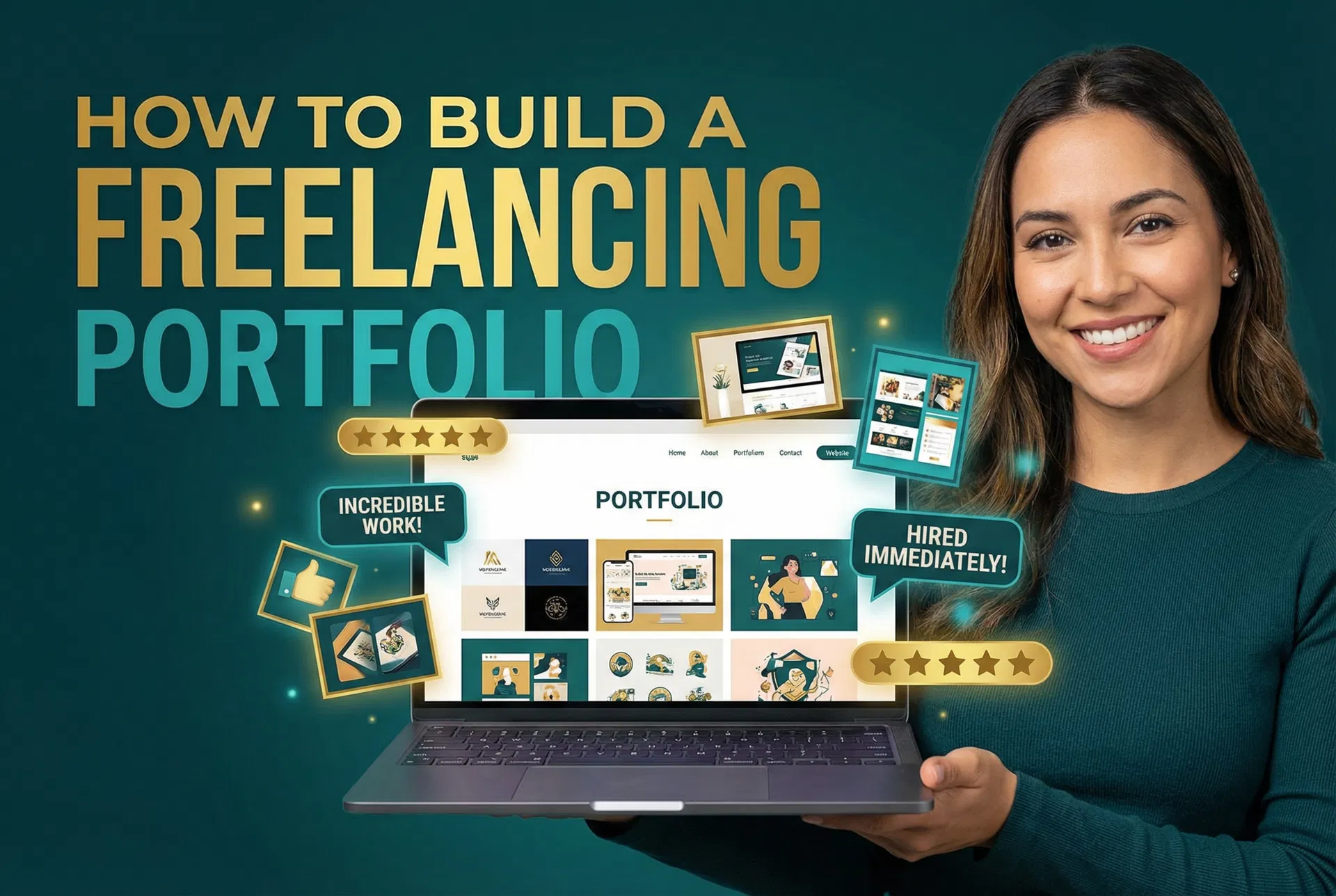
How to Build a Freelancing Portfolio That Gets Clients: Your Blueprint for Success
Introduction: Beyond the Resume – Why Your Portfolio is Your Most Powerful Tool
In the dynamic world of freelancing, a compelling portfolio is not just a collection of past work; it's a strategic asset that speaks volumes about your capabilities, professionalism, and unique value proposition. While many freelancers tend to overvalue their hard skills, often represented in their portfolios, they frequently undervalue other crucial elements that clients consider equally, if not more, important. These include how you position yourself, your perceived authority, personality, pricing, values, and character [1]. This guide will walk you through building a freelancing portfolio that not only showcases your best work but also effectively attracts and converts high-paying clients.
Understanding the Freelance Landscape: Realistic Expectations and Earning Potential
Before diving into portfolio creation, it's essential to have a realistic understanding of the freelancing landscape. The journey to a full-time freelance income is often a gradual one, typically starting as a side gig and expanding over time as you secure more clients [2].
Earning Potential: What to Expect
Freelancer earnings vary significantly based on factors such as expertise, location, industry demand, and client type. While the average freelancer income in the U.S. is approximately $99,230 annually, many earn well above typical full-time wages. About 50% of U.S. freelancers report annual incomes between $50,500 and $128,500, with top specialists potentially earning up to $275,000 per year [3]. The global freelance services market is valued at over $1.5 trillion annually, indicating a robust and growing sector [3].
Demand is increasingly shifting towards higher-paid freelance work, particularly in skilled services like software development, marketing, design, and consulting. Freelancers specializing in AI, programming, and data analysis are especially well-positioned for high earnings [3].
Common Challenges in Freelancing
While freelancing offers immense flexibility and earning potential, it comes with its own set of challenges:
- **Client Acquisition:** Consistently finding new clients, especially at the beginning, can be daunting. Many early clients often come from existing networks [1].
- **Portfolio Building with No Experience:** The chicken-and-egg dilemma of needing a portfolio to get clients and clients to build a portfolio [1].
- **Marketing and Self-Promotion:** Effectively showcasing your skills and services to potential clients requires consistent effort and strategic marketing.
- **Financial Management:** Managing income, expenses, and taxes as a freelancer requires discipline and planning.
- **Isolation and Motivation:** Working independently can sometimes lead to feelings of isolation, and maintaining self-motivation is crucial.
Crafting Your Killer Freelancing Portfolio: Step-by-Step Guide
Your portfolio is more than just a showcase; it's a curated experience designed to convince potential clients of your value. Here's how to build one that stands out.
Step 1: Define Your Niche and Target Audience
Before you even think about what to put in your portfolio, clarify who you want to serve and what specific problems you solve. A specialized portfolio speaks directly to the needs of a particular client, making you a more attractive candidate. For example, a freelance writer specializing in healthcare will tailor their portfolio to showcase medical articles, patient education materials, or pharmaceutical marketing copy, rather than general blog posts.
Step 2: Curate Your Best Work (Even if You Have No Experience)
This is where many new freelancers get stuck. If you don't have paid client work, don't despair. There are several ways to build a strong portfolio:
- **Personal Projects:** Create projects that demonstrate your skills. For a writer, this could be sample blog posts, website copy, or case studies in your chosen niche. For a designer, it could be mock-ups for hypothetical brands or redesigns of existing websites. These projects should be as professional as if they were for a paying client.
- **Pro Bono Work:** Offer your services to non-profits, friends, or family at no cost. This provides real-world experience and testimonials. Ensure these projects align with the type of work you want to attract.
- **Spec Work (with caution):** While generally advised against for established freelancers, new freelancers might consider creating a small, targeted sample piece for a potential client to demonstrate their capabilities. However, be clear about the scope and avoid extensive unpaid work.
- **Revamp Old Projects:** If you have any academic projects or past work that can be updated to reflect your current skill set and niche, include them.
**Key takeaway:** Focus on quality over quantity. 3-5 strong, relevant pieces are far more effective than 10 mediocre ones [4].
Step 3: Choose the Right Platform for Your Portfolio
Your portfolio needs an accessible home online. The best platform depends on your profession and budget:
- **Personal Website:** For ultimate control and professionalism, a personal website is ideal. Platforms like Wix, Squarespace, or WordPress offer user-friendly ways to build a professional site, often with integrated domain name options [5]. This allows you to showcase your brand and expertise comprehensively.
- **Specialized Portfolio Platforms:** Many industries have dedicated platforms. Designers can use Dribbble or Behance, while writers have options like Journo Portfolio, Carbonmade, Contently, or Writerfolio [1, 5]. These platforms are often free or low-cost and are designed to highlight specific types of creative work.
- **Freelance Marketplaces:** Platforms like Upwork, Fiverr, and Guru allow you to create detailed profiles that serve as portfolios, including work samples and client testimonials [5]. While convenient for finding work, they offer less branding control than a personal website.
- **Simple Solutions:** If you're just starting, a Google Doc or Google Slides presentation exported as a PDF, or a shared Dropbox folder, can serve as a temporary, effective portfolio [1].
**Pro Tip:** Ensure your chosen platform is mobile-responsive and loads quickly. A slow or clunky experience can deter potential clients.
Step 4: Optimize Your Portfolio for Client Attraction
Once you have your work samples and platform, it's time to make your portfolio work for you.
- **Tailor to Your Target Client:** Before sending your portfolio, consider the specific needs and style of the potential client. Tailor your portfolio to highlight relevant projects and skills [1].
- **Showcase Results, Not Just Work:** Instead of merely displaying projects, emphasize the **outcomes** you achieved for clients. Did your writing increase their website traffic? Did your design improve user engagement? Include metrics, testimonials, and case studies that demonstrate your impact [5].
- **Include Testimonials:** Social proof is incredibly powerful. Ask satisfied clients for testimonials and feature them prominently. LinkedIn recommendations can also be repurposed [5].
- **Add Visuals:** Even for writers, visuals are crucial. Break up text with relevant images, infographics, or even screenshots of your work in action. Remember, the average attention span is short, so make your portfolio visually engaging [5].
- **Clear Calls to Action:** Make it easy for potential clients to contact you. Include clear calls to action throughout your portfolio, such as "Contact Me" buttons or forms.
Step 5: Regularly Update and Refine Your Portfolio
Your portfolio is a living document. It should evolve as you grow as a freelancer. Conduct a portfolio audit every six months to ensure it reflects your best and most recent work, and remove any outdated or less relevant projects [1].
Overcoming the 'No Experience' Hurdle: Strategies for New Freelancers
The challenge of building a portfolio without prior client experience is common, but not insurmountable. Instead of viewing it as a barrier, consider it an opportunity to demonstrate initiative and passion. As mentioned earlier, personal projects, pro bono work, and even carefully considered spec work can form the foundation of your initial portfolio. When presenting these, articulate the problem you aimed to solve, your process, and the results achieved, just as you would for a paid client project. Remember, potential clients are often looking for evidence of your capability and problem-solving skills, which can be demonstrated through well-executed personal initiatives.
Furthermore, leverage your existing network. Friends, family, and acquaintances who are aware of your skills can be excellent sources for initial projects or referrals. These early engagements, even if small, provide valuable experience and testimonials that can be added to your portfolio, gradually building its strength and credibility. When communicating with potential clients, especially when your portfolio is thin, reframe your inexperience as an advantage. Emphasize your motivation to deliver exceptional work and build your reputation, and offer to create a small sample piece to demonstrate your capabilities based on their specific needs [1].
The Power of Continuous Learning and Networking
Beyond your portfolio, continuous learning and active networking are vital for sustained freelance success. The digital landscape evolves rapidly, and staying updated with new tools, technologies, and industry trends ensures your skills remain relevant and in demand. This commitment to growth can also be reflected in your portfolio through personal projects that explore new techniques or demonstrate mastery of emerging technologies.
Networking, both online and offline, opens doors to new opportunities and collaborations. Engaging with other freelancers, joining industry-specific communities, and attending virtual or in-person events can lead to referrals, mentorship, and a deeper understanding of market needs. These interactions can also provide inspiration for new portfolio pieces or help you identify gaps in your current offerings.
Conclusion: Building a Sustainable Freelance Career Requires Patience and Persistence
Building a successful freelancing portfolio and career is a marathon, not a sprint. It requires patience, persistence, and a strategic approach. Avoid the allure of "get-rich-quick" schemes and focus on delivering consistent value. While the initial stages may involve building your portfolio with personal projects or pro bono work, each successful project and positive client interaction contributes to a robust portfolio and a growing reputation. Remember that your portfolio is a dynamic tool that should be regularly updated and refined to reflect your evolving skills and experience. By combining a strategically built portfolio with continuous learning and networking, you can cultivate a thriving and sustainable freelance career that offers both financial rewards and personal fulfillment.
References
[1] Austin L. Church. "The Freelancer’s Definitive Guide to Creating a Killer Online Portfolio." _AustinLChurch.com_, 17 June 2021, https://www.austinlchurch.com/blog/guide-to-creating-online-portfolio.
[2] Quora. "How realistic is it to make a full-time income from freelance work or gig economy platforms." _Quora_, 25 June 2024, https://www.quora.com/How-realistic-is-it-to-make-a-full-time-income-from-freelance-work-or-gig-economy-platforms.
[3] Upwork. "How Much Can Freelancers Make in 2026?" _Upwork_, 21 Jan. 2026, https://www.upwork.com/resources/how-much-do-freelancers-make.
[4] KP. "How To Build The Ideal Freelance Portfolio From Scratch." _Medium_, 3 Mar. 2022, https://medium.com/swlh/how-to-build-the-ideal-freelance-portfolio-from-scratch-575e4e798a00.
[5] Emily Heaslip. "5 Steps For Building An Online Writing Portfolio." _U.S. Chamber of Commerce_, 23 Apr. 2024, https://www.uschamber.com/co/grow/marketing/online-writing-portfolio-best-practices.
Ready to Start?
Explore more resources and guides to help you succeed in your online income journey.
Related Articles
How to Start Freelancing with No Experience: A Complete Guide
A complete guide on how to start freelancing with no experience. Learn to identify skills, build a portfolio, find clients, and grow your freelance career.
Best Freelancing Platforms for Beginners in 2024
Compare the best freelancing platforms for beginners including Upwork, Fiverr, Freelancer, and PeoplePerHour.
Freelancing Rates: How to Price Your Services Correctly
Master the art of pricing your freelance services with realistic rates and negotiation strategies.